How Gum Disease Advances Without Periodontal Treatment in Ventura
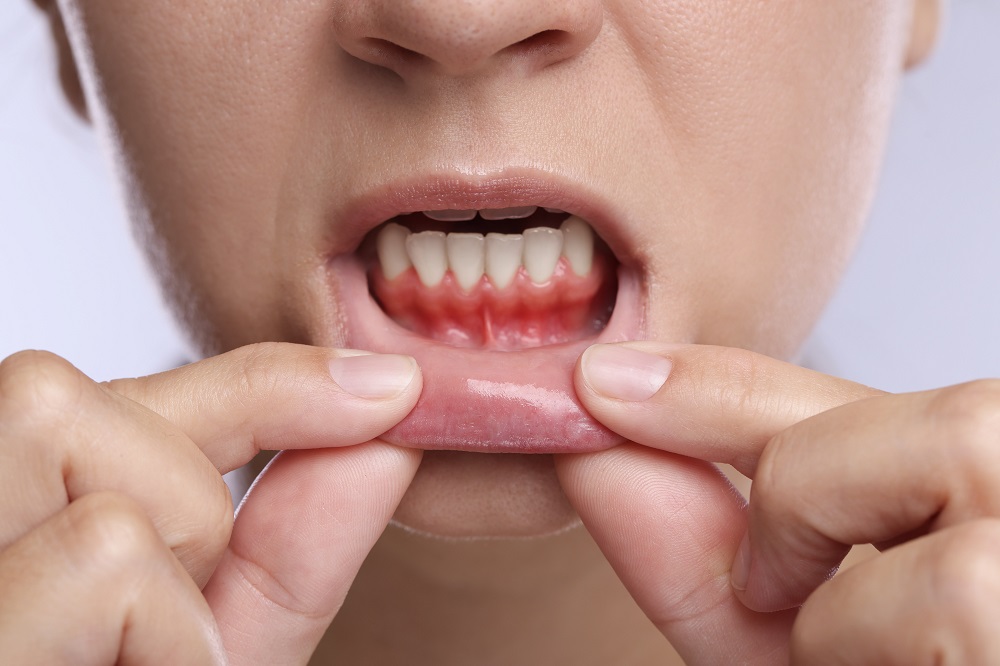
Most people do not wake up one morning with severe gum disease. It usually starts quietly. A little bleeding when brushing. Tenderness near one molar. A spot that traps food more than it used to. The trouble is that early periodontal disease often causes so little discomfort that people put it off for months, sometimes years. By the time chewing feels different or a tooth starts to shift, the infection has often been active long enough to damage the bone and connective tissue that hold teeth in place.
That is what makes delayed care so costly. Gum disease is not only a problem of swollen tissue at the edge of the teeth. It is an ongoing bacterial infection with an inflammatory response that can deepen, spread, and reshape the mouth in ways that are hard to reverse once established. In a place like Ventura, where people split time between work, family, the coast, outdoor hobbies, and long overdue errands, it is easy to treat bleeding gums as something minor. In practice, it is often the first visible sign that the support system around the teeth is under strain.
Understanding how gum disease progresses without treatment helps explain why dentists push for early intervention. It is not alarmism. It is pattern recognition.
The first stage is easy to dismiss
Gum disease typically begins as gingivitis. Plaque, a sticky film of bacteria, builds up at the gumline. If it is not removed thoroughly, it irritates the tissue. The gums become redder, puffier, and more likely to bleed during brushing or flossing. At this stage, many patients assume they are brushing too hard or that they simply need to floss less because it “makes the gums bleed.”
That instinct leads people in exactly the wrong direction.
Healthy gums do not usually bleed with gentle home care. Bleeding is a sign that the tissue is inflamed. The good news is that gingivitis is often reversible with professional cleaning and improved daily care. The bad news is that it can sit in place long enough to become something more serious if the underlying bacterial burden remains.
One of the most common things dental professionals hear is, “It doesn’t hurt, so I thought it would go away.” Pain is a poor guide in early periodontal disease. Infection can deepen long before discomfort becomes strong enough to interrupt a normal day.
When gingivitis turns into periodontitis
The shift from gingivitis to periodontitis is the point where the problem stops being purely superficial. Bacteria and inflammation begin affecting the attachment between the gums and teeth. The gum tissue can pull away slightly, forming periodontal pockets. These pockets create a sheltered space where more bacteria collect below the gumline, beyond what a toothbrush can reach.
Once that cycle begins, the body’s inflammatory response becomes part of the damage. It is not only the bacteria themselves causing harm. The immune system’s attempt to fight the infection can contribute to breakdown of the ligament and bone supporting the tooth.
This is the stage where patients often notice changes that feel subtle but important. Their breath stays unpleasant even after brushing. Food catches between teeth that used to fit together tightly. A hygienist starts measuring deeper pocket depths and mentions bone loss on X rays. Sometimes the gums look a bit lower on one side of a tooth, making the tooth appear longer.
Without timely care, those findings usually do not stay stable.
The pockets deepen, and cleaning at home stops being enough
A toothbrush cleans exposed tooth surfaces. Floss helps between teeth and slightly below the gumline. Neither tool can reliably clean a deep periodontal pocket full of hardened deposits and established bacterial colonies. Once tartar has formed below the gumline, home care can reduce surface plaque but cannot remove the source of ongoing irritation.
This is where patients often feel confused. They may brush twice a day and still hear that their gum disease is progressing. That is possible because commitment and access are not the same thing. A person can be diligent and still be unable to clean areas that have become anatomically unreachable due to pocketing, recession, crowding, old dental work, or deep grooves around teeth.
Periodontal infection thrives in these protected spaces. The deeper the pocket, the lower the oxygen level. That environment favors bacteria associated with more destructive forms of gum disease. Over time, the gum tissue swells, then detaches further. The pocket deepens again. Each round makes the area harder to keep stable without professional intervention.
In practical terms, untreated disease often moves from “my gums bleed” to “my teeth feel harder to clean” to “something about my bite feels off.”
Bone loss does not announce itself loudly
One of the most serious features of periodontitis is bone loss, and it rarely causes dramatic symptoms at first. The jawbone around the teeth can gradually recede as inflammation persists. Because this happens incrementally, many patients do not recognize it until they see a radiograph or notice movement in a tooth.
That slow pace is deceptive. A tooth can look presentable in the mirror while losing critical support underneath the gumline. In the front of the mouth, recession may be obvious. In the back, bone changes can advance with almost no visible clue until function is affected.
The pattern is not always uniform. One patient may lose more support around lower front teeth because of crowding and tartar buildup. Another may have isolated deeper defects around molars where access is difficult. Smoking, diabetes, clenching, dry mouth, certain medications, and inconsistent recall visits can all change how fast deterioration occurs and how easy it https://elliottmsua542.birchreport.com/posts/periodontal-treatment-ventura-improving-comfort-function-and-health is to detect.
In real practice, this means two people with similarly “bleeding gums” may be facing very different levels of risk.
Teeth begin to loosen for mechanical reasons, not just infection
A healthy tooth is anchored by bone, cementum, and periodontal ligament fibers that absorb chewing pressure. When gum disease destroys these structures, the tooth becomes less stable. Mobility can range from barely perceptible movement to clear shifting that a patient can feel with the tongue.
That mobility creates a second problem. Teeth that move are often harder to keep clean and may absorb chewing forces poorly. If a patient also clenches or grinds, the compromised support system is subjected to even more strain. The result can be a tooth that feels tender when biting, not because it has a cavity, but because the surrounding attachment has weakened.
Patients sometimes describe this phase in ordinary terms. They say a tooth “doesn’t feel right.” It may click slightly when they chew. It may seem taller than the others for a day or two. They may avoid biting on one side. These are functional warnings, and they matter.
Once mobility becomes significant, treatment becomes more complex. Stabilizing the infection is still essential, but the long term outlook for the tooth depends on how much support remains.
Recession changes appearance and sensitivity
Untreated periodontal disease often leads to gum recession. As the gumline moves lower on the tooth, the root surface can become exposed. This changes the smile, but the cosmetic issue is usually only part of the story. Exposed roots are more sensitive to cold, more vulnerable to root decay, and often rougher in contour, which makes plaque retention easier.
Patients are often surprised by how quickly sensitivity can affect daily habits. Cold water hurts. Citrus stings. Brushing near the gumline becomes uncomfortable, which leads some people to avoid the very areas that need better cleaning. That creates a loop of worsening inflammation and increasing discomfort.
Recession is not always caused by gum disease alone. Aggressive brushing, thin gum tissue, bite trauma, and anatomical variation can also contribute. But when recession appears alongside bleeding, pocketing, and bone loss, periodontal disease is a likely part of the picture.
Bad breath becomes more persistent
Chronic bad breath can have many causes, including dry mouth, tonsil debris, certain foods, sinus problems, and decay. But untreated gum disease is a common one because bacteria in periodontal pockets produce compounds with a strong, unpleasant odor.
The important difference is persistence. Ordinary morning breath improves after eating, drinking water, or brushing. Periodontal odor often returns quickly because the source remains active below the gumline. Mints and mouthwash can mask it briefly, but they do not disinfect deep pockets or remove tartar.
This symptom carries a social cost that people rarely discuss openly. They may chew gum constantly, keep distance while talking, or become self conscious at work. That quiet burden sometimes brings patients in faster than bleeding or mild sensitivity.
The mouth is not the only system affected
Dentists need to be careful here. Gum disease does not mean a person will develop heart disease, and treating periodontal disease is not a guaranteed fix for broader medical problems. The relationship is more nuanced. Chronic oral inflammation can interact with overall health, and certain systemic conditions can worsen periodontal disease in return.
Diabetes is a good example. Poor blood sugar control can increase susceptibility to gum infection and make healing slower. Active periodontal disease can also make diabetic control harder for some patients. Pregnancy, immune compromise, some medications, and smoking history can complicate the picture as well.
What matters clinically is that untreated gum disease is not an isolated nuisance. It adds inflammatory burden, affects nutrition when chewing becomes difficult, and can interfere with other treatment plans. Patients preparing for implants, crowns, orthodontics, or certain medical procedures often need periodontal stability first because the foundation matters.
Why people in Ventura delay care
People postpone dental treatment for reasons that are often understandable. Work schedules fill up. Insurance has limits. There may be no pain, no dramatic swelling, no sense of urgency. Some have had a bad prior experience and are wary of hearing they need “deep cleaning.” Others are embarrassed that they waited too long.
In Ventura, the pattern looks familiar to any local practice. Someone comes in because a spouse noticed bad breath, or because a lower front tooth shifted, or because they finally made time after skipping cleanings through a busy season. They are often surprised that the issue has been active much longer than they realized.
Delay changes the type of treatment needed. Early inflammation may respond to a standard professional cleaning and better home care. Established periodontitis usually needs more involved therapy, careful reevaluation, and long term maintenance. The later the disease is addressed, the less predictable the result can be.
That is why discussions around Periodontal Treatment Ventura tend to focus on timing as much as technique. The same diagnosis treated six months apart can lead to very different treatment plans.
What untreated gum disease can lead to
When patients ask what happens if they leave it alone, the answer is usually a progression, not a single event. Common outcomes include:
- deeper periodontal pockets
- increasing bone loss
- gum recession and root sensitivity
- tooth mobility or shifting
- eventual tooth loss
Not every case moves at the same speed. Some remain relatively stable for a period, then worsen after stress, illness, smoking changes, or lapses in care. Others progress steadily with few symptoms. That unpredictability is one reason passive monitoring is risky.
Tooth loss is not the first problem, but it is the endpoint many want to avoid
People often think about gum disease only in terms of losing teeth. That is understandable, but it skips over the long stretch of compromised function that usually comes first. Before a tooth is lost, a patient may deal with soreness, drifting teeth, food impaction, sensitivity, repeated inflammation, and expensive restorative decisions.
By the time extraction enters the discussion, there are often secondary issues. Nearby teeth may have tipped. Bone may no longer be ideal for an implant without grafting. Bite relationships may have changed. What could have been managed with earlier periodontal therapy becomes a larger rehabilitation question.
This matters financially as well as biologically. Preserving a natural tooth with enough support is usually simpler and less costly than removing it and rebuilding the area. Not every tooth can be saved, but many have a better chance when treatment starts before mobility and advanced bone loss set in.
Treatment becomes more involved as disease progresses
There is no single periodontal treatment that fits every case. Management depends on pocket depth, pattern of bone loss, amount of tartar, smoking status, medical history, anatomy, and home care habits. In early or moderate disease, nonsurgical therapy may be the first step. More advanced cases may need referral to a periodontist for specialized care.
Patients often hear terms such as scaling and root planing, localized antibiotic therapy, periodontal maintenance, grafting, or flap procedures. Those words can sound intimidating, but the larger point is straightforward. Once disease is established below the gumline, superficial cleaning is not enough.
A reasonable care pathway often includes:
- a thorough periodontal evaluation with measurements and imaging
- treatment to remove deposits and disrupt bacteria below the gumline
- a reevaluation period to see how the tissue responds
- ongoing maintenance at intervals based on risk and stability
That maintenance phase is where many long term successes happen. Gum disease can often be controlled, but it usually requires more than returning to a six month routine and forgetting about it.
Ventura patients often ask whether they can reverse it on their own
The honest answer depends on the stage. Mild gingivitis may improve significantly with professional cleaning and excellent daily care. True periodontitis, where attachment loss and bone damage are already present, cannot be reversed simply by brushing harder or using a stronger mouthwash. The goal becomes stopping progression, reducing inflammation, and preserving what support remains.
This distinction is important because the internet tends to flatten all gum problems into one category. A swollen gumline around plaque buildup is not the same as a six millimeter pocket with radiographic bone loss. Both deserve attention, but they do not carry the same prognosis or require the same response.
Patients are often relieved to hear that treatment is not about punishment for imperfect brushing. It is about matching the level of care to the level of disease.
What early action changes
The value of prompt care is not theoretical. When treatment begins earlier, pockets are often shallower, bone loss is less severe, mobility may be absent, and the tissue tends to respond more predictably. There is more room for conservative management and a better chance of keeping the natural dentition functioning comfortably for years.
Early action also protects future options. If a patient later needs a crown, bridge, orthodontic treatment, or implant, healthy gums and stable bone improve the odds of success. Restorative dentistry lasts longer on a healthy foundation.
For anyone searching for Periodontal Treatment Ventura, the practical takeaway is simple. Bleeding gums, persistent bad breath, recession, and tooth movement are not cosmetic inconveniences. They are signs that deserve a professional periodontal evaluation. Waiting rarely makes the treatment smaller.
The quiet nature of the disease is what makes it dangerous
The hardest part about gum disease is not that it always progresses quickly. It is that it can progress quietly. A patient can function, work, eat, smile, and assume things are basically fine while inflammation slowly alters the support around the teeth. Then one day a routine exam reveals pocketing, recession, or bone loss that has been building for far longer than expected.
That pattern is so common that experienced clinicians watch closely for the small clues. Slight bleeding. Isolated recession around a canine. Fresh spacing between lower front teeth. A crown margin that traps plaque. A smoker whose gums look deceptively calm despite deep pocketing. The signs are often modest before the consequences are not.
Untreated periodontal disease is progressive by nature, even if the pace varies. It starts at the gumline, moves into the supporting structures, and eventually threatens the stability of the teeth themselves. Professional care interrupts that progression. Delay gives it time.
For Ventura patients, that decision point often comes down to recognizing that “not hurting” is not the same as “not advancing.” That single shift in understanding prevents a great deal of avoidable damage.
Avra Dental
Address: 1708 S Victoria Ave B, Ventura, CA 93003
Phone number: (805) 941-1001
FAQ About Periodontal Treatment Ventura
Can a dentist get rid of periodontal disease?
A dentist or gum specialist (periodontist) cannot fully cure or reverse advanced periodontal disease (periodontitis), but they can successfully stop its progression and manage the infection.
Is periodontitis very serious?
Yes, periodontitis is a very serious, advanced form of gum disease that destroys the bone and tissues supporting your teeth.
How is stage 2 periodontal disease treated?
Stage 2 periodontal disease (early to moderate periodontitis) is primarily treated with non-surgical deep cleaning procedures like scaling and root planing to remove bacteria and tartar below the gumline.